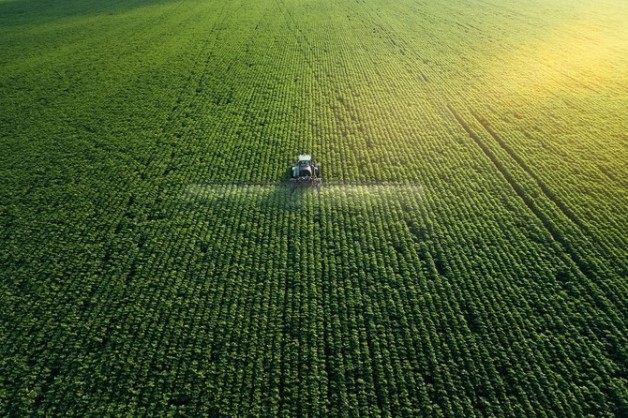
Agriculture is a central pillar of Algeria’s diversification efforts, and although only a small part of the national territory is arable, the country benefits from fertile northern plains, oasis systems and diverse agro ecological zones suitable for cereals, vegetables, fruits and livestock. Productivity remains limited due to low mechanization, insufficient irrigation, climate variability, soil degradation, import dependence for key inputs and underdeveloped rural logistics. Government strategies aim to modernize the sector by expanding irrigated perimeters, promoting greenhouse farming, improving seed varieties, enhancing extension services, integrating digital agriculture and developing agro industrial clusters that transform primary production into higher value products. Priority is also given to food security through increased domestic production of cereals, milk, vegetable oils and sugar, alongside the development of the agro-food processing industry. Strengthening cold-chain systems, storage infrastructure, wholesale markets and rural roads is essential to reduce losses, improve market access and integrate small farmers into structured value chains.
Overview
Economic Contribution
Agriculture represents about 10 to 13% of GDP and employs 10 to 15% of Algeria’s population. The country produces wheat, barley, potatoes, tomatoes, olives, dates, citrus fruits and a wide variety of vegetables. Algeria is among the world’s largest producers of dates with over 1.2 million tons annually. Livestock is significant with more than 28 million sheep, 2 million cattle and a fast-growing poultry industry. Despite this potential, Algeria remains heavily reliant on imports of cereals, dairy products, vegetable oils and animal feed, which creates pressure on foreign exchange reserves. Limited agro processing, high post harvest losses and weak integration between producers, processors and distributors constrain domestic value creation. Strengthening processing capacity, supporting contract farming and improving rural logistics would reduce import dependency and enhance rural employment.
Outlook
Future priorities include expanding modern irrigation systems, improving seed production, scaling up mechanization, deploying smart farming tools, developing agro industrial hubs and upgrading storage and logistics networks. Strong opportunities exist in date processing, olive oil upgrading, dairy development, cereal yield improvement and horticulture exports. With targeted reforms, improved infrastructure and climate adaptation measures, Algeria can significantly increase agricultural productivity, reduce its reliance on food imports and build a competitive agro industrial sector.