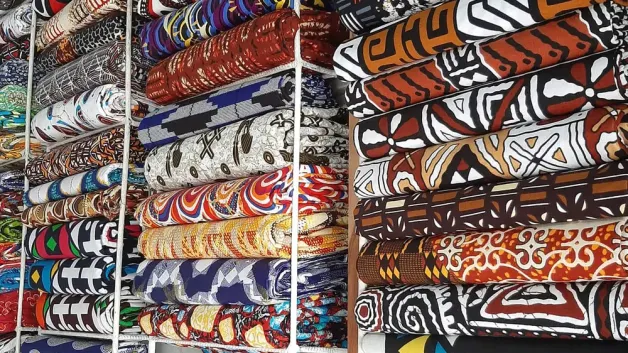
The artisanal sector is deeply rooted in Beninese cultural identity and contributes significantly to local economies. From textiles to bronze, leather, wood carving, and agro-food crafts, the sector embodies creativity and community-based entrepreneurship. It is predominantly informal but has strong socio-economic importance. Institutional support has been growing, through the Chamber of Crafts and national artisan development funds targeting formalization and market access.
Overview
Image
Economic Contribution
Artisanal production contributes roughly 12-13% to national GDP and accounts for more than 50% of economic units in the country. It is the second-biggest employer after agriculture, engaging approximately 2 million people. Women and youth dominate the sector. Despite its potential, most artisan products are sold locally with limited export penetration.
Outlook
Benin’s artisanal and creative sector is gaining increased recognition through branding and certification initiatives, such as Made in Benin, as well as product standardisation and stronger links with tourism. The development of artisan clusters and creative hubs, together with the use of digital platforms, is creating new channels for direct-to-consumer exports. Partnerships with designers and participation in international craft fairs could further improve visibility and market access.
However, the sector continues to face constraints related to limited access to credit, weak formalisation, inconsistent product quality and limited design innovation. Many artisans also lack marketing and digital skills, while largely manual production methods constrain scalability and export readiness. At the same time, opportunities are emerging in niche export markets for ethical, handcrafted and culturally distinctive products, particularly among diaspora consumers and ethical fashion markets in Europe and North America. Stronger integration into tourism circuits, improved artisanal education, wider adoption of e-commerce platforms and the introduction of digital fabrication and creative entrepreneurship could help raise the sector’s competitiveness.