Overview

Benin’s tourism sector stands out in West Africa due to its rich blend of cultural heritage, historical landmarks (particularly related to the slave trade), biodiverse national parks (Pendjari and W), and unique practices like Vodoun. It is a major focal point in national economic policy, given its potential for job creation, foreign exchange, and international visibility. Since 2016, the government has undertaken significant steps to restore heritage sites, modernize hospitality infrastructure, and launch cultural events to position Benin as a credible destination.
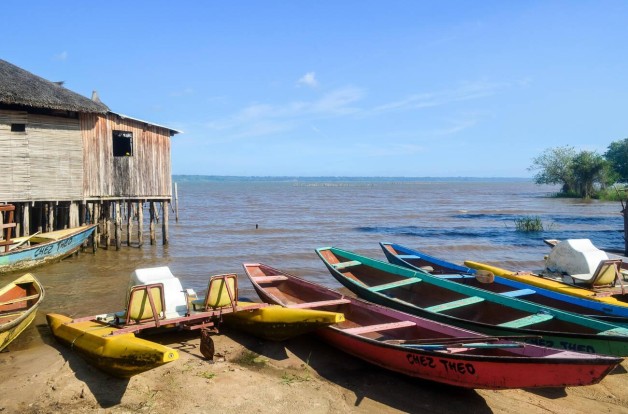
 

Image
Benin tourism

Economic Contribution

Tourism contributes approximately 3.8% to GDP and employs over 322,000 people across direct and indirect services. Tourist arrivals have risen consistently, bolstered by improved onsite experiences and infrastructure. Investments of nearly CFA 800 billion are planned under the 2025–2029 Tourism Development Master Plan. The sector generates revenue for adjacent sub-sectors such as crafts, food services, transport, and culture. 


Outlook

Benin’s tourism outlook is supported by strategic objectives to attract 1.2 million visitors by 2030, double sector revenues and position the country as a regional leader in sustainable and cultural tourism. The government is promoting public-private partnerships in hotel development, eco-lodges, heritage conservation and event tourism, while targeting regional and diaspora markets through improved visa processes, digital marketing and airline partnerships. These efforts are expected to strengthen Benin’s tourism offer and improve its visibility in regional and international markets.

Investment opportunities are particularly strong in eco-tourism, cultural and spiritual tourism, including Vodoun festivals, adventure travel, sustainable safaris and cross-border packages with Niger and Burkina Faso. Expanding the role of local gastronomy, music and arts within tourism experiences could also deepen value capture and support local enterprise development. In parallel, stronger integration with the digital economy, including online booking platforms and virtual tours, could improve market access, visitor engagement and sector competitiveness.