Overview

The real estate sector in the Republic of Congo is gradually evolving, driven by urbanization trends, rising demand for housing and commercial space, and efforts to modernize infrastructure. Although real estate is not yet among the largest contributors to national wealth creation, the sector remains strategically significant, as it underpins housing needs, urban development, and the expansion of services and commerce. With growing urban populations in cities like Brazzaville and Pointe-Noire, increasing middle-class demand, and rising interest in commercial and residential developments, the real estate sector is poised for expansion. 

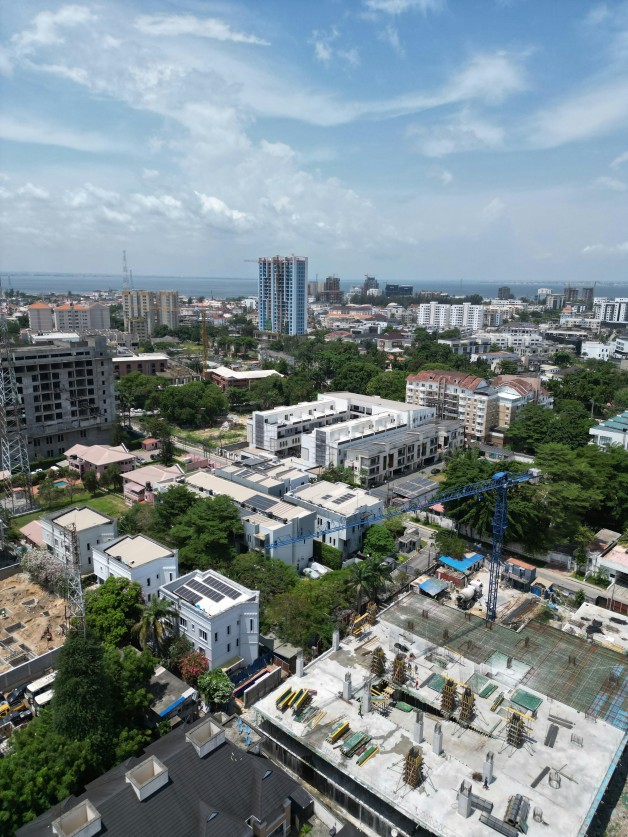
The sector is becoming oriented toward high-value developments, including residential housing, apartment complexes, mixed-use buildings, commercial real estate, and modern office space for businesses. Urban projects such as planned housing developments, gated communities, and modern apartment buildings, as well as demand for retail and office space, are shaping a more dynamic real estate market. Supported by regulatory reforms and investor promotion efforts, the country is encouraging investments in construction, property development, and infrastructure to meet housing and business demand. 
Economic Contribution 

Real estate contributes meaningfully to the economy by stimulating construction activity, creating employment, and supporting related industries such as construction materials, services, and retail. The construction and real estate development sector absorbs a significant share of labor and draws from materials manufacturing, transport, logistics, and professional services (architecture, engineering, property management). By enabling new housing for urban populations, commercial spaces, and modern offices, real estate facilitates business growth and urbanization, supporting commerce, services, and industrial expansion. 

Developments in residential and commercial properties help reduce housing deficits in major cities and meet rising demand from both local populations and expatriates. As real estate projects increase, so do opportunities for local suppliers of cement, metals, wood, finishing materials, and building services strengthening backward linkages and contributing to domestic value creation. The growth of real estate thus promotes broader economic diversification beyond extractive industries, and offers a platform for sustainable urban development, improved living standards, and increased access to modern amenities. 

Outlook 

The Republic of Congo is well positioned to accelerate the growth and modernization of its real estate sector. Strategic opportunities lie in residential housing developments (including affordable housing, middle-class apartments, and luxury villas), mixed-use developments combining housing, retail, and offices, commercial real estate for retail and services, and offices for growing business activity. Investments in infrastructure, urban planning, and improved regulatory frameworks could support this evolution, providing investors with attractive returns and an expanding domestic market. 

Given the country’s demographic trends, urbanization, need for housing and commercial infrastructure, and emerging investor interest, Congo offers a promising environment for those seeking to build modern, value-added real estate projects contributing to long-term economic development and urban transformation. 

Image
real estate congo