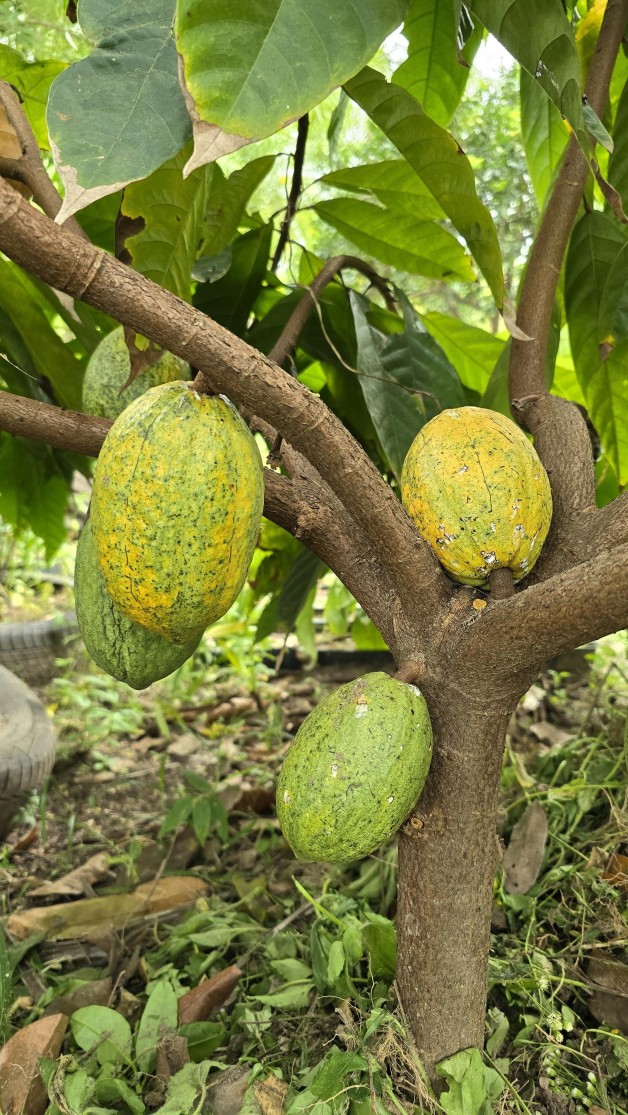
Agriculture continue to form the central pillar of Côte d’Ivoire’s economic architecture. The country remains the world’s top producer of cocoa with between 2.2 and 2.5 million tons per year, representing close to 40% of global supply. It is also the leading global producer of cashew nuts with more than one million tons annually and a major African producer of coffee, rubber, palm oil, cotton, bananas and a broad range of fruits and vegetables. The agricultural landscape is characterized by a mix of smallholder farms and large-scale plantations, supported by strong agro-climatic conditions and decades of commodity expertise. Despite this strong base, most products are exported raw, which limits value capture and exposes the sector to international price volatility. The government aims to transform the sector into a modern, efficient and competitive agro-industrial system anchored in value chains, processing zones and technological innovation.
Overview
Economic Contribution
Agriculture represents about 22% of GDP and accounts for over 40% of merchandise export revenues. Cocoa alone provides up to 35% of export earnings, making it the backbone of the national trade balance, while cashew generates nearly 10%. Rubber and palm-oil activities contribute several hundred billion CFA francs annually. The sector sustains the livelihoods of nearly two thirds of the population, making it a crucial lever for poverty reduction, rural development and social stability. Agricultural productivity, however, varies widely across subsectors. Cocoa and coffee yields remain below international averages due to aging trees, limited mechanization and insufficient access to improved seeds and fertilizers. By contrast, palm-oil and rubber plantations have seen more rapid modernization and integration with domestic processing facilities.
Outlook
The medium-term outlook is highly favorable. Côte d’Ivoire seeks to process at least 60% of its cocoa and 50% of its cashew domestically within the next five years, which would significantly increase industrial output and create thousands of jobs. Major programs include large-scale plantation renewal, investment in irrigation systems, soil fertility restoration, modernization of cooperatives and digital transformation of extension services. Demand for processed foods, dairy substitutes, beverages and high-value horticulture is rising in regional urban centers, opening new market opportunities. Climate-smart agriculture, precision farming, satellite-based monitoring and mobile advisory services are expected to improve yields, reduce losses and increase resilience.