Energy and natural resources are essential to Côte d’Ivoire’s industrial competitiveness and long-term development. The country operates one of the most stable electricity systems in West Africa, powered by natural gas and hydropower with strong potential for solar and biomass expansion. The mining sector has strengthened considerably, driven by significant increases in gold production and the rapid emergence of manganese and nickel extraction. These sectors contribute to economic diversification and enhance the country’s regional influence.
Overview
Image
Economic Contribution
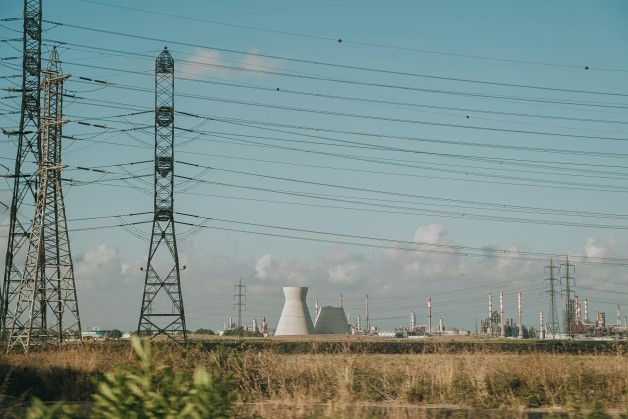
Côte d’Ivoire produces approximately 12,000 GWh of electricity per year and exports between 60 and 80 billion CFA francs worth of electricity to neighboring countries. Gold production surged from fewer than 10 tons in 2010 to more than 45 tons in 2023. Mining export revenues reached nearly 800 billion CFA francs. Hydrocarbons account for 5 to 7% of fiscal revenues, and recent offshore gas discoveries indicate significant medium-term potential to secure energy supply and stimulate industrial expansion.
Outlook
The government plans to increase the renewable-energy share to 42% by 2030 and aims to develop additional hydropower plants, large-scale solar farms and hybrid mini-grids for rural areas. Expansion of gas production is expected to decrease electricity-generation costs and attract energy-intensive industries to new industrial zones. Mining activities will expand further through new gold, nickel, manganese and lithium projects. Côte d’Ivoire also aims to strengthen its role as a regional exporter of electricity as demand rises across West Africa.