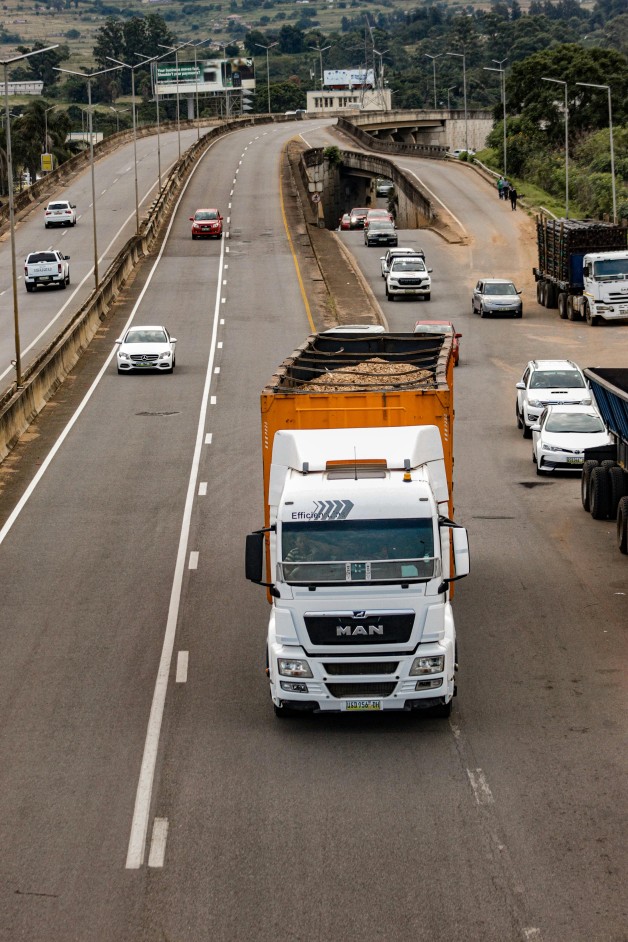
Djibouti’s strategic position at the entrance of the Red Sea makes transport infrastructure central to its economy. The country hosts world-class port facilities, including container, multipurpose, bulk and livestock terminals, which serve as the primary maritime gateway for Ethiopia’s trade. The Djibouti-Addis Ababa electrified railway strengthens regional connectivity and supports multimodal transport. Despite strong assets, challenges remain in road quality, limited storage, high logistics costs, congestion in peak periods and the need for deeper digitalization of customs and port systems. Continued investment is required to maintain competitiveness and support growing trade flows.
Overview
Image
Economic Contribution
Transport and logistics account for 80-85% of GDP, making Djibouti one of the most service-driven economies in the world. Ports, rail and logistics services generate the majority of export revenues, employment and fiscal income. High logistics efficiency is essential for regional trade integration and supports economic diversification. Costs remain elevated due to infrastructure gaps, but port modernization and corridor improvements continue to reduce transit times and increase throughput.
Outlook
Government and development partners aim to rehabilitate transport corridors, expand road networks, modernize port facilities, improve rail operations, strengthen logistics hubs and enhance customs digitalization. Investments in cold-chain systems, inland ports and multimodal transport are expected to support trade expansion. Long-term priorities include deeper regional integration, reduced transport costs and enhanced competitiveness as a regional logistics hub.