Overview

The agro-processing sector is a cornerstone of Kenya’s industrial economy, linking agriculture, which employs over 60 % of the population, with manufacturing, trade, and services. It encompasses food and beverage processing, dairy, meat, edible oils, milling, sugar, tea, coffee, horticultural processing, and packaging industries. The sector includes more than 1 200 registered food and beverage manufacturers, ranging from large integrated companies to medium and small processors that serve local and regional markets.

Agro-processing is supported by public agencies such as the Kenya Industrial Research and Development Institute (KIRDI) and the Kenya Export Promotion and Branding Agency (KEPROBA), as well as sector bodies like the Kenya Association of Manufacturers (KAM) and the Cereal Millers Association (CMA). Government strategy under the Agricultural Sector Transformation and Growth Strategy (ASTGS) and the Bottom-Up Economic Transformation Agenda (BETA) emphasises food security, value addition, and export diversification through agro-industrial clusters and modern processing facilities.
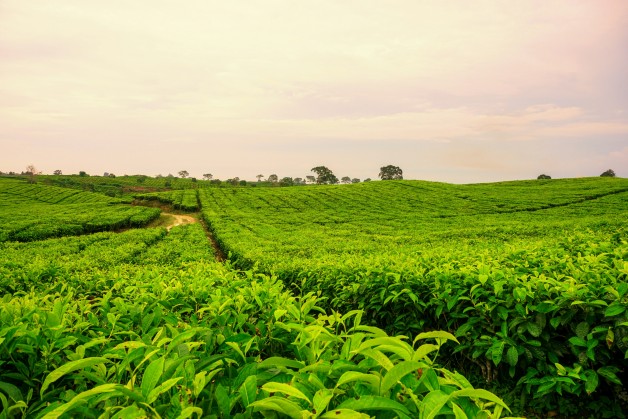
Image
Agriculture Kenya

Economic contribution

Agro-processing remains the largest component of manufacturing and a key driver of rural income and export competitiveness.

  • Agro-processing accounts for approximately 40–45 % of Kenya’s total manufacturing value added, equivalent to about 3 % of national GDP.
  • The sector provides formal employment to more than 300 000 people and supports millions indirectly through farming, logistics, and retail linkages.
  • Key exports include tea, coffee, processed horticultural products, and beverages, together generating over 40 % of total merchandise export earnings.
  • Processed food products such as refined sugar, edible oils, and dairy also contribute significantly to regional trade within the EAC and COMESA markets.
  • Major processing hubs include Thika (beverages, confectionery), Eldoret (grain, dairy), Nakuru (flour, edible oils), and Mombasa (tea, sugar, fish processing).

Outlook

Kenya’s agro-processing industry is expected to expand steadily as domestic food demand, regional market access, and export diversification drive new investment. Implementation of Agro-Industrial Parks (AIPs) and Special Economic Zones (SEZs) aims to attract processing industries closer to production areas and improve logistics efficiency. Medium-term growth will depend on improving supply chain reliability, reducing energy and transport costs, and ensuring consistent quality standards for regional and international markets. The AfCFTA provides new opportunities for Kenyan processed food exports to reach wider African markets, while digital tools and cold-chain investments are expected to enhance traceability and reduce post-harvest losses.


Challenges

  • High cost of inputs and energy, which constrains competitiveness relative to imported products.
  • Limited access to affordable finance for small and medium processors.
  • Inconsistent raw material supply due to weather variability, post-harvest losses, and low farm productivity.
  • Quality and standards compliance challenges affecting export market access.
  • Inadequate storage, cold-chain, and logistics infrastructure leading to high wastage rates.
  • Fragmented value chains and weak coordination between producers and processors.
  • Heavy reliance on imported packaging materials and processing equipment.


Opportunities

  • Agro-industrial parks and SEZs in Naivasha, Eldoret, and Dongo Kundu offer integrated infrastructure and incentives for investors.
  • Growing demand for processed and convenience foods in urban markets.
  • Expansion of regional export markets under the EAC and AfCFTA frameworks.
  • Development of dairy, fruit, vegetable, and fish processing for higher-value exports.
  • Investment in renewable energy solutions and efficient technologies to reduce production costs.
  • Adoption of digital traceability, e-commerce platforms, and quality certification to meet global standards.
  • Strengthening public-private partnerships in logistics, cold-chain infrastructure, and research & development.