Overview

The chemicals and pharmaceuticals sector plays a strategic role in Kenya’s industrial and health systems and provides essential inputs for agriculture, construction, textiles, and consumer goods. 

Kenya is the leading pharmaceutical manufacturing hub in East Africa, hosting more than 35 licensed drug manufacturers that supply roughly 50 % of the region’s formal pharmaceutical market. Major producers include Universal Corporation, Cosmos, Beta Healthcare, Dawa Limited, and Regal Pharmaceuticals. In chemicals, the industry is anchored by local and regional firms producing fertilisers, plastics, paints, and detergents, such as Mea Limited, Basco Paints, and Bidco Africa, alongside a large base of importers and distributors.

The sector is guided by the Kenya National Industrial Policy (2022–2032), the Pharmaceutical Manufacturing Transformation Plan (2020), and the Health Sector Strategic Plan, which aim to enhance local value addition, reduce import dependency, and position Kenya as a regional centre for pharmaceutical and chemical production.
Image
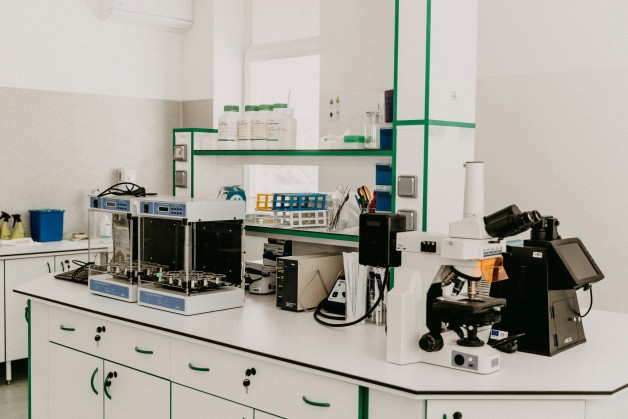
chemistry lab

Economic contribution

  • The chemicals and pharmaceuticals sector contributes an estimated 7–8 % of manufacturing value added, equivalent to about 2 % of national GDP.
  • Kenya’s pharmaceutical market is valued at roughly KES 100–120 billion (USD 800 million–1 billion), with local producers meeting about 30 % of domestic demand.
  • The chemical subsector accounts for significant industrial inputs, particularly in fertilisers, plastics, and detergents, which support agriculture, construction, and consumer goods industries.
  • The sector employs approximately 60 000–70 000 people, with strong multiplier effects across logistics, retail, and distribution.
  • Kenya’s exports of chemicals, soaps, and pharmaceuticals totalled over USD 350 million in 2023, primarily to Uganda, Tanzania, Rwanda, and the Democratic Republic of Congo.

Outlook

The outlook for Kenya’s chemicals and pharmaceuticals industry is positive, driven by rising domestic and regional demand, population growth, and ongoing public investment in health and agriculture. Implementation of the Pharmaceutical Manufacturing Transformation Plan aims to raise local production to 60 % of national demand by 2030, supported by incentives for Good Manufacturing Practice (GMP) compliance and quality certification.

In chemicals, the focus is shifting toward import substitution, local formulation of fertilisers and agrochemicals, and development of industrial chemical clusters in Mombasa, Naivasha, and Athi River. Regional integration under the EAC and AfCFTA is also expected to expand export opportunities for both segments.

Challenges

  • High production costs, particularly for imported active ingredients, feedstocks, and packaging materials.
  • Dependence on imports for raw materials and intermediate chemicals, exposing firms to exchange-rate and supply chain volatility.
  • Limited access to long-term finance for plant expansion and technology upgrading.
  • Regulatory and quality compliance hurdles, including slow registration and inspection processes.
  • Fragmented local supply chains and limited coordination between producers and distributors.
  • Energy and logistics constraints affecting cost competitiveness.

Opportunities

  • Expansion of local pharmaceutical manufacturing through public procurement incentives and regional market access.
  • Development of chemical processing and blending facilities for fertilisers, paints, and detergents.
  • Establishment of industrial chemical parks to cluster producers and improve economies of scale.
  • Growth of regional exports to EAC and COMESA markets under harmonised regulatory frameworks.
  • Investment in research, biotechnology, and medical innovation to support vaccine and biosimilar production.
  • Adoption of green chemistry and circular plastics initiatives to reduce waste and align with environmental goals.
  • Public–private partnerships to strengthen quality assurance infrastructure, including laboratories and standards agencies.