Overview

Kenya has one of the world’s highest shares of renewable energy in electricity generation, with around 90% of domestic power coming from geothermal (45%), hydropower (25%), wind (15%), and solar (5%) sources. This strong renewable base has reduced exposure to fuel price volatility and positioned Kenya as a regional leader in clean power.

Total energy consumption still depends significantly on petroleum imports for transport and industry, and on biomass for household cooking and heating. Efforts to diversify energy use focus on increasing the share of modern renewables across all sectors, including clean cooking, electric mobility, and industrial heat.

Public utilities such as KenGen and the Geothermal Development Company (GDC) operate alongside private independent power producers in developing large-scale and off-grid renewable projects. The sector is governed by the Energy Act (2019) and the Kenya Energy Sector Roadmap (2023–2033), which prioritise reliable, affordable, and low-carbon energy in line with Vision 2030 and Kenya’s climate commitments.
Image
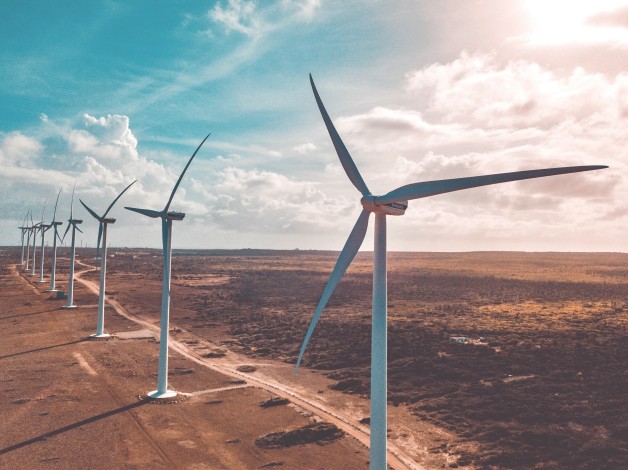
wind turbine

Economic contribution

  • Renewable energy contributes about 3–4% of Kenya’s GDP, but underpins productivity in nearly all sectors of the economy.
  • The industry supplies almost all of Kenya’s electricity needs, reducing reliance on imported fuels and improving energy security.
  • Geothermal power, which runs continuously regardless of weather, provides the backbone of the system and supports industrial competitiveness.
  • The sector supports tens of thousands of jobs across engineering, construction, logistics, and maintenance.
  • Since 2015, more than USD 4.5 billion in investment has been channelled into renewable projects, including major wind, solar, and geothermal developments.
  • Off-grid and small-scale systems have expanded access to electricity for over 1.5 million households, particularly in rural areas, supporting inclusive growth and small business development.

Outlook

Kenya aims to achieve 100% renewable electricity generation by 2030, maintaining its global leadership in clean power. Growth will be driven by new geothermal fields in the Rift Valley, expansion of wind and solar capacity, and modernisation of the national grid to support wider access.

Emerging areas such as green hydrogen, electric mobility, and battery storage are expected to attract new investment and technological partnerships. Regional electricity trade through the Eastern Africa Power Pool (EAPP) will further strengthen grid stability and create opportunities for electricity exports to neighbouring markets.


Challenges

  • Expanding the grid to connect new renewable projects remains a major priority.
  • High initial investment costs for geothermal and wind projects can slow implementation.
  • Dependence on imported components such as turbines, panels, and batteries increases project costs.
  • Regulatory delays and lengthy power purchase negotiations affect private investment.
  • Shortages of skilled engineers and technicians in specialised energy fields.
  • Variability in rainfall can affect hydropower generation during dry seasons.


Opportunities

  • Development of new geothermal fields in the Rift Valley to provide reliable, round-the-clock energy.
  • Expansion of solar and wind power for industrial, commercial, and household use.
  • Growth in small-scale renewable systems to electrify rural and off-grid areas.
  • Investment in battery storage to balance renewable supply and ensure constant power.
  • Local production of solar panels, cables, and electrical equipment to create jobs and reduce imports.
  • Emerging projects in green hydrogen and electric transport to support low-carbon industrialisation.
  • Regional electricity trade with neighbouring countries, strengthening Kenya’s position as an energy hub.