Overview

Tourism is one of Kenya’s most important service industries and a key source of foreign exchange, employment, and regional development. It encompasses wildlife and safari tourism, coastal and marine destinations, cultural and conference tourism, and emerging niches such as eco-tourism and adventure travel.

The sector is overseen by the Ministry of Tourism and Wildlife, supported by agencies including the Kenya Tourism Board (KTB), Tourism Fund, and Kenya Utalii College, and guided by the National Tourism Blueprint 2030. Current government strategy prioritises diversification, sustainability, and greater value capture through community participation and green tourism models.
Image
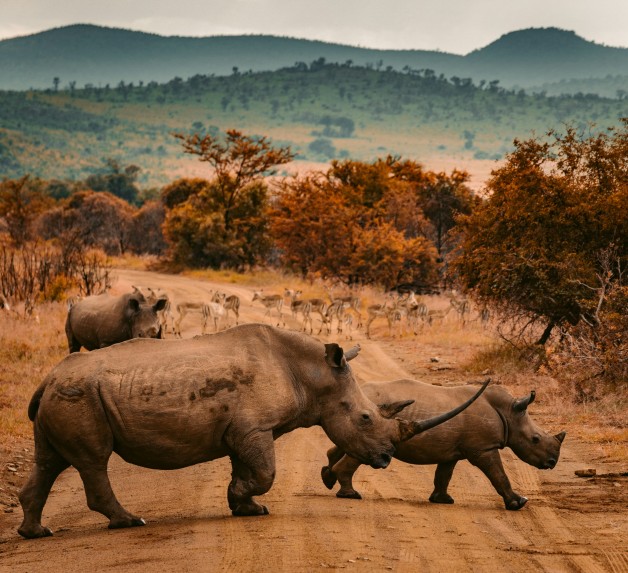
Rhinos crossing the road in the savana

Economic contribution

  • Tourism contributed approximately 5 % of Kenya’s GDP in 2023, recovering strongly from pandemic-related disruptions (down from 8 % before 2020).
  • The sector directly and indirectly supports about 1.1 million jobs, representing roughly 9 % of total employment.
  • International arrivals reached 1.96 million in 2023, up from 1.48 million in 2022, generating around KES 290 billion (USD 2.3 billion) in receipts.
  • Domestic tourism has expanded significantly, accounting for nearly 50 % of total bed-nights, reflecting growing middle-class demand.
  • Tourism consistently ranks among Kenya’s top five sources of foreign exchange, alongside tea, horticulture, and remittances.

Outlook

The tourism sector is projected to maintain positive growth as global travel demand rebounds and Kenya deepens its diversification efforts. Emerging opportunities lie in sustainable tourism, digital marketing, cultural heritage tourism, and new products such as sports and wellness travel. Continued investment in infrastructure, air connectivity, and skills development will be essential to sustaining competitiveness in regional and global markets.


Challenges

  • Infrastructure and connectivity gaps in secondary destinations limit geographical diversification.
  • High operating costs and energy expenses for hotels and lodges.
  • Vulnerability to external shocks, including global economic conditions and security perceptions.
  • Seasonality of demand, leading to uneven occupancy rates.
  • Limited digital capacity among smaller operators to reach global markets.
  • Environmental pressures on key ecosystems due to over-tourism or land-use conflicts.
  • Skills gaps in hospitality management, languages, and specialised tourism services.


Opportunities

  • Development of eco-tourism, cultural, and community-based tourism with stronger local linkages.
  • Expansion of domestic tourism through marketing and improved regional air and road networks.
  • Promotion of business and conferencing tourism supported by new convention facilities and improved connectivity.
  • Adoption of digital platforms and data analytics for marketing, booking, and visitor management.
  • Integration of sustainability standards and green certifications to attract responsible travellers.
  • Collaboration under the East African Tourism Platform to promote regional circuits and joint branding.