Overview

Mining remains an emerging industry in Malawi, currently contributing less than 1% of GDP, despite the country holding commercially viable deposits of uranium, titanium minerals, rare earth elements, gold, coal, graphite, rubies, sapphires and limestone. Resource mapping to date has been limited, and gaps in geological data have slowed large-scale exploration. However, renewed policy focus, under the Malawi 2063 Vision places mining as a central driver of structural transformation, alongside agriculture and tourism. The country has previously demonstrated commercial extraction capacity, having produced over 10 million pounds of uranium from one operation between 2009 and 2014. Multiple exploration licences are now held by international firms, with active assessments under way for battery minerals, gemstones and industrial minerals. As geological mapping improves, the sector is expected to shift from early-stage prospecting into structured production. 
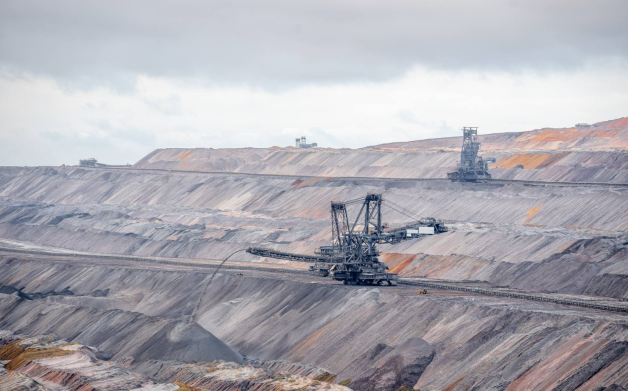
Economic Contribution 

Although mining currently plays a minimal role in Malawi’s GDP, its potential economic impact is considerable. The sector generates foreign exchange through gemstones, industrial minerals and legacy uranium production, while also supporting artisanal gold and gemstone activities. Government plans target raising mining’s GDP contribution to about 10% by 2063, driven by improved geological data, expanded extraction activities and investment in processing capacity. Ongoing regulatory reforms, stronger environmental oversight and digitalised mineral information systems are expected to support formalisation and sustainable sector growth.  

Outlook

Malawi’s mining outlook is supported by ongoing geological assessments and growing interest in battery minerals such as graphite, rare earth elements and gold. As these deposits move into commercial production, the sector is expected to expand toward medium-scale operations and unlock higher export earnings, particularly in minerals linked to global energy-transition demand. Government targets to increase mining’s contribution from below 1% to around 10% of GDP by 2063 highlight strong commitment to develop processing capacity, improve infrastructure and expand value addition. The sector is therefore expected to play a larger role in foreign-exchange generation, job creation and supply of industrial inputs, gradually transitioning into a core pillar of Malawi’s economic growth agenda. 

Image
Malawi Mining