Overview

Malawi’s manufacturing sector has transitioned from a state-dominated structure to a predominantly private-sector-led industry, following significant privatisation reforms. The sector remains largely agro-linked, with a considerable share of manufacturing activity focused on; food processing, beverage production, textiles, wood products, tobacco processing, sugar refining and basic household goods. Although constrained by high input costs, intermittent supply-chain challenges and limited technological capacity, recent improvements in energy and input availability have begun to support gradual sector recovery and expansion 

Economic Contribution 

Manufacturing contributes approximately 12% to Malawi’s GDP, although its share remains modest compared to the dominant agriculture sector. The nominal GDP from manufacturing was estimated at about USD 526.4 million as of December 2024, reflecting the sector’s moderate scale within the economy. Its contribution is driven largely by agro-processing activities that add value to locally grown commodities. The sector supports employment within production facilities, logistics, distribution and retail networks, and plays an important role in reducing import dependence by providing locally produced consumer goods. Through increased value addition and substitution of imported processed products, the manufacturing sector holds potential to strengthen domestic supply chains and contribute more meaningfully to economic diversification. 

Outlook 

Growth of approximately 2.1% in 2024, up from 0.3% in 2023, reflects a gradual rebound in Malawi’s manufacturing sector, underpinned by gradual improvements in key operational systems. The most promising opportunities remain in agro-processing, edible oil refining, packaging, light manufacturing and import-substitution segments. Rising domestic demand for processed foods and household goods reinforces market prospects, while improved access to regional markets provides additional avenues for value-added exports. Although structural challenges persist, particularly limited agricultural output affecting raw material supply and intermittent currency shortages, however, the sector is positioned for steady expansion, increased value addition and deeper integration into Malawi’s wider economic transformation agenda. 

Image
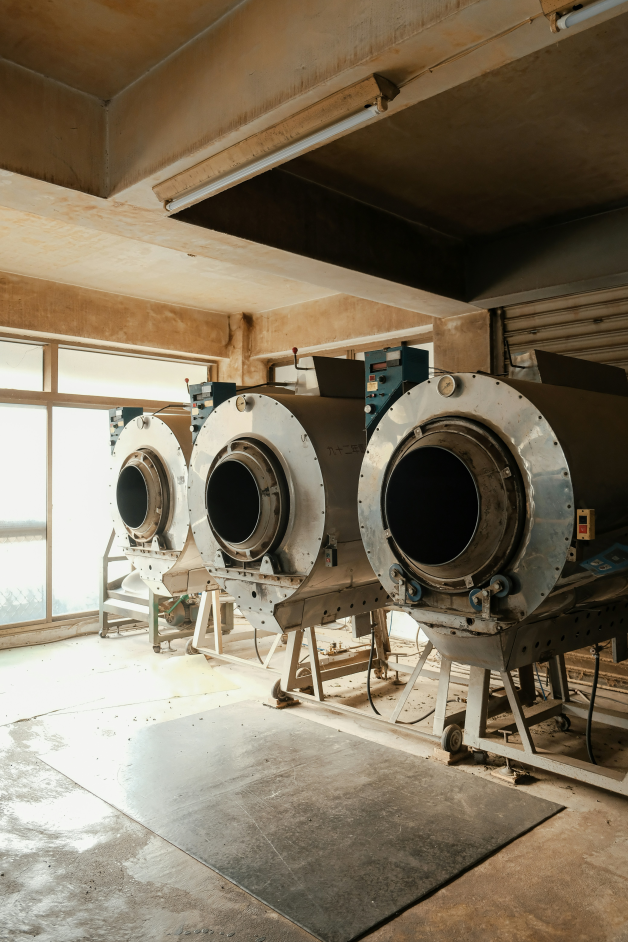
tea processing malawi