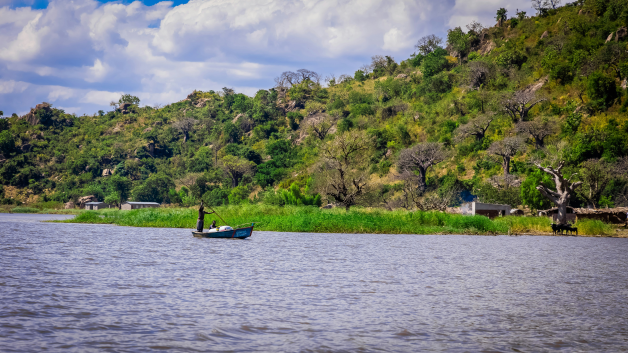
Malawi’s tourism sector is anchored in its distinctive natural landscapes, warm hospitality, and rich cultural heritage. The country attracts an average of about 800,000 visitors annually, drawn to experiences ranging from lakeside leisure to wildlife safaris and highland adventure. Being Africa’s third-largest freshwater lake, Lake Malawi is the flagship attraction, complemented by destinations such as Liwonde, Nyika and Majete National Parks, Mount Mulanje, Likoma Island and cultural centres like Mua Mission. This diversity allows visitors to enjoy beach activities, hiking, bird-watching, aquatic sports and cultural tours within short distances. Tourism continues to hold a central place in Malawi’s long-term development priorities due to its ability to showcase national assets and support related sectors such as accommodation, transport and recreation.
Overview
Economic Contribution
Tourism contributes approximately 6.7% of Malawi’s GDP as reported in the 2024/25 fiscal year, reflecting its growing role in the services sector. The industry supports more than 525,000 direct and indirect jobs, spanning accommodation, transport, food services, tour operations, crafts and cultural enterprises. Visitor arrivals average close to 870,000 visits annually, driven by demand for lake-based recreation, wildlife experiences and cultural attractions. The sector generates an estimated USD 640-650 million annually in total economic value, through both domestic and international travel spending. Through foreign-exchange earnings, employment creation and stimulation of related industries, tourism continues to strengthen economic diversification and support local development, particularly around key natural and cultural destinations.
Outlook
Tourism in Malawi is expected to expand steadily over the medium term, supported by rising domestic and international travel demand. Sector earnings are projected to reach about USD 260 million by 2028, with annual tourist arrivals anticipated to move beyond 1.25 million visitors by 2029. If current recovery trends continue, tourism’s GDP contribution has potential to approach 11% by 2030. Growth will be driven by increased activity in eco-tourism, lake-based recreation, wildlife experiences and hospitality services, positioning the sector as a rising contributor to income generation and foreign-exchange earnings.