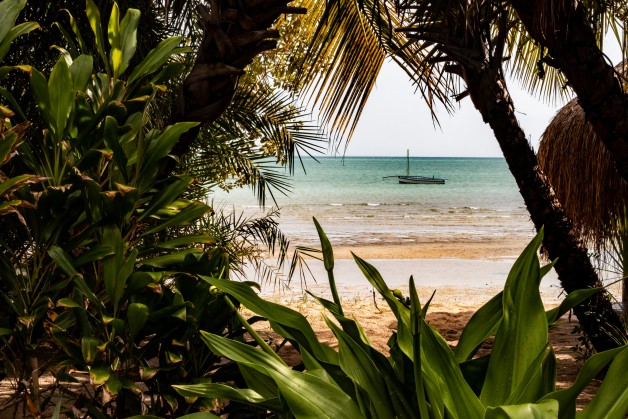
Tourism is a strategic sector for Mozambique, anchored in its extensive Indian Ocean coastline, pristine beaches, marine biodiversity, and cultural heritage. The country offers diverse tourism experiences including beach and resort tourism, marine and diving tourism, eco-tourism, wildlife safaris, and cultural tourism. Key destinations include the Bazaruto and Quirimbas Archipelagos, coastal resort areas, conservation zones, and emerging urban tourism hubs. Although tourism was impacted by the pandemic and security challenges in parts of the north, the sector is gradually recovering, supported by renewed investment and destination diversification.
Overview
Image
Economic Contribution
Tourism contributes approximately 5-6% of GDP and supports hundreds of thousands of direct and indirect jobs across accommodation, transport, food services, crafts, and tour operations. International tourist arrivals are estimated at 1.8 to 2.0 million visitors annually, generating USD 700-900 million in total economic impact. The sector provides important foreign exchange earnings and stimulates local economic activity, particularly in coastal regions and conservation areas, while supporting small and medium enterprises and community-based tourism initiatives.
Outlook
Tourism is expected to expand steadily over the medium term, supported by rising regional and international travel demand and increased investment in hospitality infrastructure. Growth will be driven by beach resorts, marine tourism, eco-lodges, and integrated leisure developments. With improvements in air connectivity, safety, site infrastructure, and service quality, tourism’s contribution to GDP could rise toward 7-8%, strengthening its role in diversification, employment creation, and foreign exchange generation.