Overview

Nigeria’s minerals sector is an important component of the country’s strategy to diversify the economy beyond oil and gas. The country possesses significant deposits of more than 40 commercially viable minerals, including limestone, gold, iron ore, coal, tin, bitumen, lead, zinc, barite, gypsum and lithium. These resources provide opportunities for domestic processing, industrial development and export growth.

Despite its considerable geological potential, the sector remains underdeveloped and contributes only a small share of national output compared with other resource-rich economies. Production is dominated by artisanal and small-scale mining (ASM), while large-scale commercial operations remain limited. Mining activity is concentrated in states such as Nasarawa, Kogi, Niger, Kaduna, Plateau, Zamfara and Ogun, reflecting the location of major mineral deposits and existing infrastructure.

Government policy, through the Nigerian Minerals and Mining Act, the National Integrated Mineral Exploration Project and the Roadmap for the Growth and Development of the Nigerian Mining Industry, prioritises investment in geological exploration, formalisation of artisanal mining, value addition, and increased private sector participation. Recent reforms also seek to strengthen regulatory oversight, improve transparency and encourage downstream mineral processing to support industrialisation and export diversification.
Image
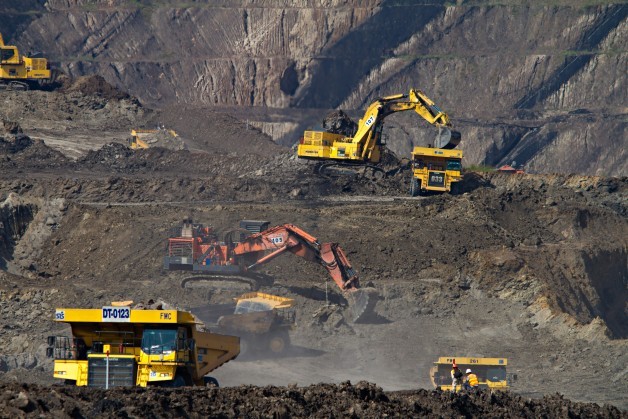
mining

Economic Contribution

Nigeria’s mining and quarrying sector contributes approximately 1% of national GDP. The sector directly employs several hundred thousand people, with many more participating in artisanal and small-scale mining activities and related services such as transportation, equipment supply and mineral trading. Industrial minerals, particularly limestone, provide critical inputs for Nigeria’s cement industry, while gold, tin, columbite, lead, zinc and emerging battery minerals contribute to export earnings and support the development of domestic value chains. Growing global demand for critical minerals, including lithium and rare earth elements, has increased investor interest in Nigeria’s mineral potential and strengthened the sector’s strategic importance within the country’s economic diversification agenda.


Outlook

The outlook for Nigeria’s minerals sector is positive, supported by rising global demand for critical minerals, ongoing regulatory reforms and increasing investment in geological exploration. Government initiatives to improve the quality of geological data, modernise licensing systems and attract responsible private investment are expected to support greater exploration and mine development over the medium term. Demand for construction materials such as limestone, granite and gypsum is also likely to remain strong as infrastructure development and urbanisation continue, while opportunities to develop domestic mineral processing industries could increase value addition and reduce dependence on raw mineral exports.

Nigeria’s minerals sector continues to face a number of constraints that affect productivity, competitiveness and investment. Inadequate transport, power and water infrastructure increases operating costs and limits the commercial viability of many deposits, particularly in remote mining areas. Limited geological information for parts of the country increases exploration risk, while access to long-term finance remains challenging for many mining companies. The prevalence of informal and illegal mining reduces government revenues, creates environmental and safety risks, and undermines investor confidence. Security challenges in some mineral-producing regions, together with lengthy permitting processes and regulatory uncertainty, continue to affect project development. Environmental management, mine rehabilitation and community engagement also require further strengthening to support sustainable sector growth.

At the same time, the sector offers significant opportunities for investment and value addition. Expansion of geological surveying and modern exploration techniques could unlock commercially viable deposits and improve investor confidence. Investment in mineral beneficiation, refining and downstream processing facilities would enable Nigeria to capture greater value from its mineral resources, particularly for lithium, gold, iron ore and other strategic minerals. The development of industrial mineral supply chains can strengthen domestic manufacturing in sectors such as cement, steel, ceramics and fertilisers, while improved transport and energy infrastructure would enhance the competitiveness of mining operations. Formalising artisanal and small-scale mining through improved licensing, access to finance and technical support could increase productivity, improve environmental performance and strengthen government revenues. As global demand for critical minerals continues to grow alongside the energy transition, Nigeria is well positioned to attract responsible investment and integrate more fully into regional and international mineral value chains.