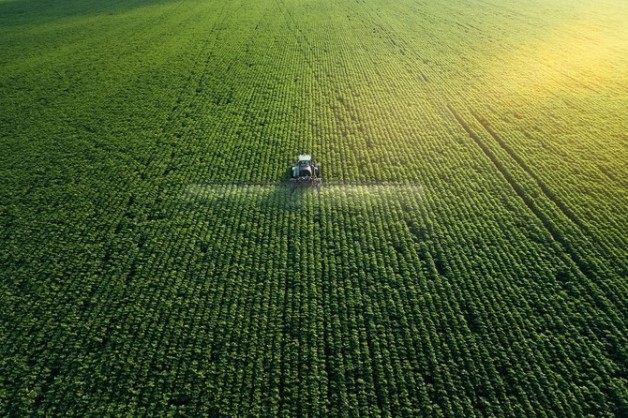
The agricultural sector is one of Senegal’s key economic pillars, deeply rooted in rural livelihoods and national food systems. With vast arable land, significant irrigation potential, and a favorable climate, crop production is experiencing strong growth. Both horticultural and cereal value chains are expanding, supported by national programs to enhance agricultural productivity and by the development of irrigated agriculture in areas such as the Senegal River Valley and the Niayes region. Agriculture, together with the blue economy and the green economy, constitutes a strategic pillar of Senegal’s sustainable development agenda. These sectors are among the key priorities of the National Transformation Agenda 2050, whose vision is structured around four strategic pillars: (i) a competitive economy, (ii) quality human capital and social equity, (iii) sustainable spatial planning and development, and (iv) good governance and African engagement. The country benefits from substantial agricultural resources as well as significant potential in fisheries and aquaculture. The modernization of farming practices through increased mechanization, local processing of agricultural products, and the adoption of sustainable production models is enhancing the attractiveness of these sectors, particularly for investors seeking projects with strong environmental and social impact.
Production is increasingly diversified, with mangoes, green beans, industrial tomatoes, onions, watermelons, and locally produced rice giving the country strong biological and territorial assets to meet domestic demand while generating a surplus for export to Africa, Europe, the United States, and the Middle East.