Senegal’s energy sector is emerging as one of the most attractive and strategically important industries in the country’s economic landscape. With ambitious national energy goals and recent discoveries of substantial oil and gas reserves, the sector is entering a transformative phase. Commercial production from these reserves expected to begin at the end of 2023 marks a major milestone for Senegal, positioning it as a new player in the regional hydrocarbons market.
In parallel, the country demonstrates strong potential for renewable energy development, particularly in solar, wind, hydropower, and biomass. This dual dynamic hydrocarbons and renewables offers a unique opportunity to build a diversified and resilient energy mix capable of supporting long-term growth and sustainability.
Economic Contribution
The energy sector is becoming a major contributor to Senegal’s economic transformation, with hydrocarbons and renewables jointly shaping its growth trajectory. Although historically limited, the sector’s contribution to GDP is expected to increase substantially with the launch of commercial oil and gas production, which will boost export revenues, fiscal resources, and investment flows. Natural gas, in particular, is set to play a central role in powering industry, reducing electricity costs, and supporting the expansion of local value chains such as petrochemicals, fertilizers, and gas-to-power.
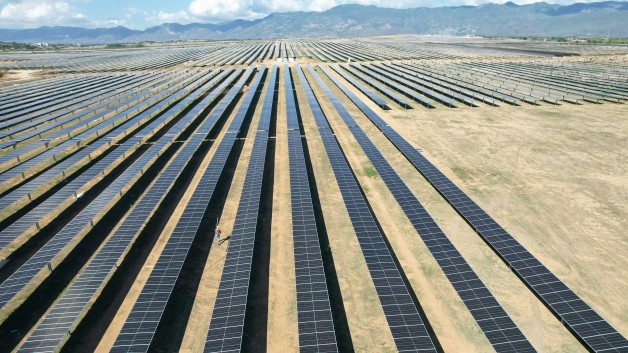
At the same time, Senegal’s leadership in renewable energy already among the highest solar shares in West Africa stimulates private investment, job creation, and the development of supporting industries such as equipment installation, maintenance, and grid services. Together, hydrocarbons and renewables are positioning the energy sector as a key driver of economic diversification, improved energy security, and long-term competitiveness.
Outlook
Demand for energy is set to rise sharply as population growth, urbanization, and industrialization accelerate. Senegal’s long-term strategy aims to harness its new oil and gas resources while simultaneously expanding renewable energy capacity to ensure a balanced and sustainable mix. Significant opportunities exist across the entire value chain: exploration and production, LNG development, gas-to-power projects, renewable energy generation, grid modernization, storage solutions, and energy efficiency technologies.
With targeted investments in infrastructure, capacity building, and technological innovation, Senegal could position itself as a regional energy hub enhancing competitiveness, advancing climate objectives, and driving inclusive economic development.