Overview

Senegal’s tourism sector is one of the country’s most dynamic industries, driven by its rich cultural heritage, pristine beaches, diverse landscapes, and vibrant artistic scene. The country offers a strong tourism potential, with niche segments such as cultural discovery, ecotourism, and sport fishing gaining increased attention. 
Senegal has adopted a forward-looking tourism strategy focused on expanding and improving its offerings while integrating environmental and social considerations from the early stages of project development. With iconic destinations such as Dakar, Saly, Saint-Louis, Casamance, and the Pink Lake, Senegal is well positioned to attract a growing number of international visitors. 
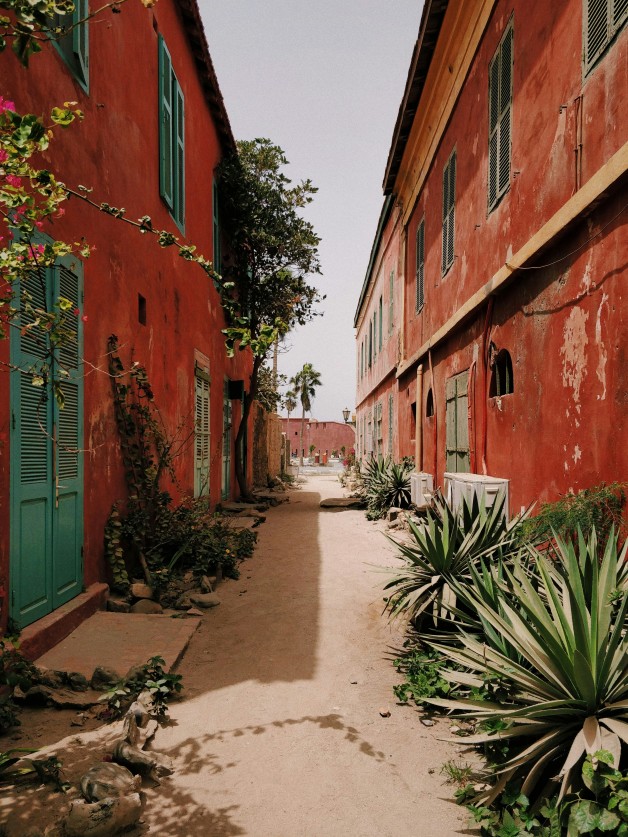
Economic Contribution 

Tourism is a significant contributor to Senegal’s economy, generating substantial foreign exchange earnings, stimulating local entrepreneurship, and creating jobs across hospitality, transportation, crafts, and cultural industries. The sector plays a vital role in regional development, particularly in destinations such as Saly, Saint-Louis, and Casamance, where tourism activities support thousands of households and small businesses. As one of the country’s leading service industries, tourism contributes to GDP growth, boosts demand for local products, and strengthens value chains in accommodation, food services, entertainment, and transport. The sector’s emphasis on cultural heritage and ecotourism also encourages investment in conservation, community-based tourism, and the preservation of Senegal’s natural and cultural assets, further enhancing its long-term socio-economic impact. 

Outlook 

Tourism demand in Senegal is expected to grow steadily in the coming years, driven by increasing global interest in authentic cultural experiences, sustainable travel, and emerging African destinations. 
Niche markets such as birdwatching, sport fishing, cultural heritage tourism, and coastal leisure are expanding, offering significant space for private-sector innovation. The continued enhancement of air connectivity, infrastructure modernization, and the government's commitment to high-quality service delivery are strengthening Senegal’s competitiveness on the regional and international tourism scene. 
With strategic investments in hospitality infrastructure, sustainable tourism models, digitalization, conference tourism (MICE), and diversified leisure offerings, Senegal can position itself as a leading tourism destination in West Africa combining cultural richness, natural beauty, and the renowned Senegalese hospitality known as Teranga. 

Image
Senegal