Available in
Related countries
Planning for Africa’s urban expansion
Over the next three decades, Africa will experience an unprecedented increase in its urban population, doubling from 704 million to 1.4 billion people by 2050. It will become the continent with the second largest urban population after Asia (3.5 billion). Nigeria is projected to have an urban population of 250 million—the fourth largest urban population in the world—while Egypt, with 147 million, will rank among the top ten globally. Cities will absorb 80% of the total projected population growth and two out of three Africans will live in urban areas by 2050. Africa’s urban transition poses both an urgent challenge and an unparalleled opportunity. Proactive planning, effective governance and innovative financing strategies are essential to ensure that cities thrive. By acting now, Africa can manage urban growth in ways that promote sustainability, inclusiveness and resilience, setting the stage for a prosperous urban future. Africa’s Urbanisation Dynamics 2025: Planning for Urban Expansion, provides the most comprehensive view to date of Africa’s future urbanisation dynamics. It explores the implications for urban planning, governance and financing, providing policy makers, development partners and experts with projections, insights and actionable recommendations for managing urban transitions.
Making room for Africa’s expanding cities
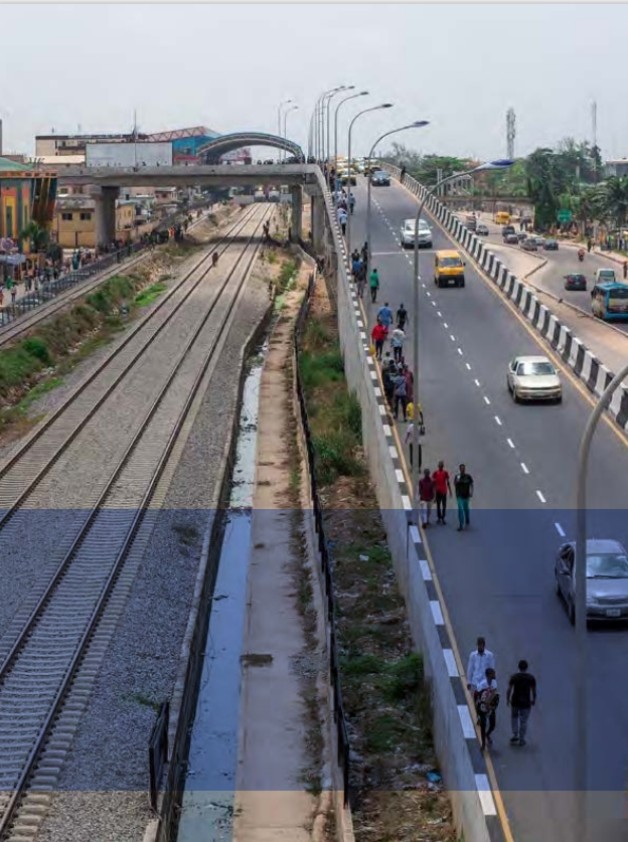
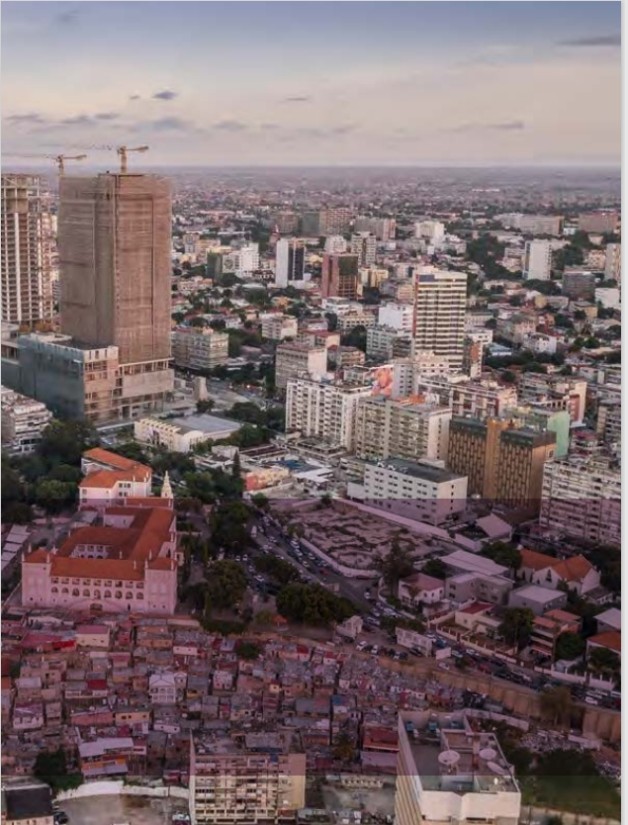
The key challenge facing Africa’s urban agglomerations is how to make room for their growing populations. Projected urban growth will pose major challenges for urban planning as it is outpacing the capacity of many central and local governments to provide housing, basic services and infrastructure. At the same time, the need to build large parts of Africa’s future cities also presents an opportunity to plan cities that are better designed for the 21st century and better equipped to deal with major challenges such as climate change, housing and transport. Past failures and current thinking in other regions of the world offer lessons that urban planners and governments can learn from. However, there is also a need for African urban planners to develop and experiment with new ideas, and to integrate local realities and contexts into the design of the continent’s urban future.
Effective urban governance is key to managing urban expansion
Governance is crucial for managing the urban transition. Many African countries require renewed urban governance frameworks, including stronger local governance structures, improved multi-level co-ordination, and more inclusive policies. National urban policies and national development policies will be instrumental in addressing the urgency of urbanisation. Effective urban governance action needs to be at the right scale and reach all inhabitants and economic activities. Centralised, siloed policy making should shift to an integrated, inclusive approach for managing cities and towns. This requires co-operation and co-ordination across levels of government, devolving responsibilities and resources. New urban governance must be responsive to local conditions and deliver necessary infrastructure and services. Stakeholder engagement is essential for representation and accountability.

Financing Africa’s urban growth
Rapid urbanisation creates high demand for investment in infrastructure and public services. However, current levels of spending in African cities are very low and fail to meet the needs of their rapidly growing populations. Existing systems for financing urban development face both quantitative and qualitative problems. Structural barriers, such as regulatory constraints and limited fiscal capacity, prevent more resources from reaching cities. Closing the financing gap also requires making more effective use of available investment funds.