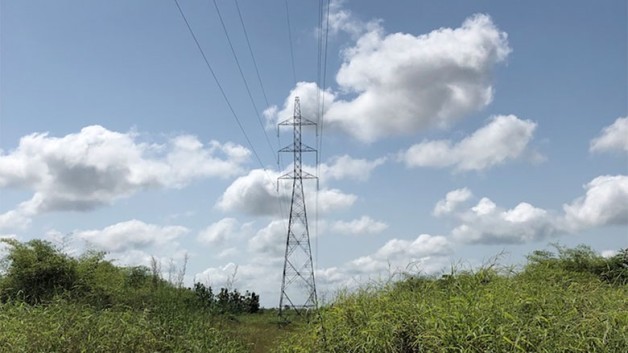
Benin’s energy sector has been undergoing a strategic transformation to reduce dependence on imports (mainly from Nigeria and Ghana), diversify the energy matrix, and improve access. For decades, the sector suffered from unreliability, dependency, and insufficient infrastructure, significantly constraining private sector development. Since 2016, the government has launched reforms and invested in generation, distribution, and transmission, including the flagship 127 MW Maria Gléta thermal plant and large-scale solar farms. Benin's geographic position also makes it a key player in emerging regional power markets.
Overview
Image
Economic Contribution
Energy supply underpins all industrial, service, and social sectors. Electricity access rose from 28% in 2015 to about 40% in 2023, with rural electrification increasing due to mini-grid and off-grid solar systems. Investments in energy infrastructure represent 8-10% of the national investment budget, as the government considers energy reliability essential for industrial zones, hospitals, education, digital economy expansion, and overall quality of life.
Outlook
Benin’s energy outlook is shaped by policy priorities to achieve universal access by 2035, scale renewable energy, strengthen regional grid integration and advance consumer-oriented reforms. Ongoing investments in solar capacity, including Illoulofin and Djougou, alongside hybrid fuel systems, smart grid technologies and expanded LPG distribution, are expected to support energy access and reliability. The country is also exploring longer-term options such as gas-to-power and green hydrogen, while the regulatory framework is gradually evolving to attract private investment into generation, distribution concessions and economic zones.
However, sector development remains constrained by high dependence on thermal power, elevated user tariffs, technical and commercial losses, limited transmission infrastructure and maintenance gaps. Reliance on imported fuel also exposes the sector to external shocks and inflationary pressures, while renewable energy start-ups continue to face financing constraints. At the same time, Benin’s strong solar potential creates opportunities for rural electrification, green industrialisation and productive-use energy solutions in agriculture, such as solar-powered irrigation and cold storage. Regional energy trade through ECOWAS, together with digital metering and predictive maintenance technologies, could further improve efficiency, resilience and sector competitiveness.