Manufacturing is a central pillar of Egypt’s industrialisation and export diversification strategy. The government’s industrial policy emphasises localisation, import substitution and integration into regional and global value chains, supported by industrial zones, preferential trade agreements and targeted incentives. Priority subsectors include chemicals and petrochemicals, building materials, automotive assembly, textiles and garments, and food processing.
Institutionally, the sector is overseen by the Ministry of Trade and Industry and supported by industrial development agencies and special economic zones, notably in and around the Suez Canal Economic Zone. Egypt’s large domestic market, competitive labour costs and proximity to European, Middle Eastern and African markets underpin its positioning as a regional manufacturing platform.
Economic Contribution
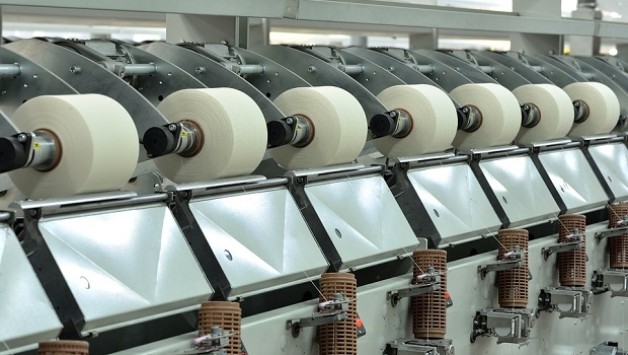
Manufacturing contributed approximately 15.1% of GDP in 2022, making it one of the largest non-oil economic pillars. Textiles and apparel remain among Egypt’s most competitive industrial export sectors. Pharmaceuticals and construction materials also play key roles in non-oil growth, urban development and regional trade. The sector is a major employer and provides critical linkages with agriculture, resource-based industries and services.
Public investment in industrial infrastructure and incentives for local production have supported recent growth, while foreign investors remain active in export-oriented segments. Nevertheless, the manufacturing base remains relatively concentrated in lower- to medium-value-added activities, and productivity gaps and high logistics costs still constrain competitiveness.
Outlook
Future priorities include upgrading industrial zones, strengthening local supply chains, improving export logistics, investing in automation and digital manufacturing technologies and expanding pharmaceutical and textile capacity. With improved infrastructure and investment climate, manufacturing could become one of Egypt’s fastest-growing and most job-intensive sectors.