Overview

Egypt has positioned renewable energy as a central pillar of its long-term energy transition and energy security strategy. The government’s Integrated Sustainable Energy Strategy targets 42% of electricity generation from renewable sources by 2030, relying primarily on solar, wind and hydropower.

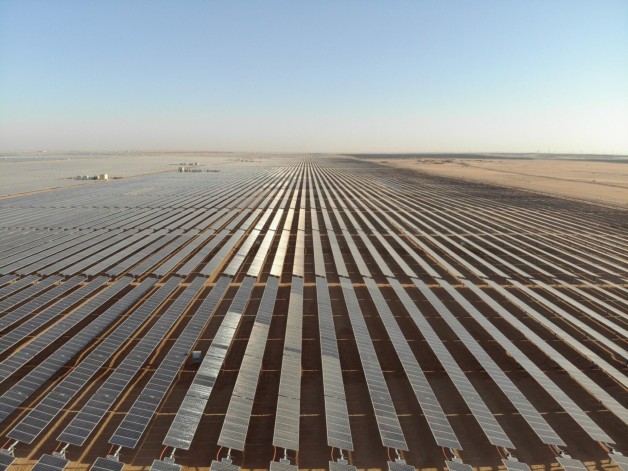
The country benefits from strong natural endowments, including high solar irradiation and favourable wind corridors along the Gulf of Suez, which underpin large-scale projects such as the 1.65 GW Benban Solar Park, one of the world’s largest solar complexes.

Institutionally, the sector is led by the New and Renewable Energy Authority (NREA), which promotes and develops renewable projects and supports private sector participation. Despite growing investment and flagship projects, Egypt’s power mix remains dominated by natural gas.
Economic Contribution 

Renewable energy is expanding but still represents a relatively modest share of Egypt’s electricity system. As of 2024, renewables accounted for around 11% of electricity generation, reflecting progress but also the scale of the transition required.

The broader electricity and renewable energy sector is attracting rising public investment, with planned sector investments of EGP 136.3 billion in FY2025/26, up significantly from previous years. Solar equipment and project development activity is also growing, supported by government incentives and rising domestic demand for power.

Large-scale renewable projects are increasingly structured with independent power producers and foreign investors, reinforcing the sector’s role in attracting FDI and supporting industrial activity.. 

Outlook 

Future priorities include expanding solar and wind capacity, reinforcing transmission grids, accelerating green hydrogen projects, improving energy efficiency and deepening digital transformation. Egypt’s renewable energy sector presents strong medium-term growth potential:

  • Ambitious policy targets: The 42% renewable electricity target by 2030 provides a clear long-term demand signal.
  • Exceptional resource potential: High solar irradiation and strong wind regimes support competitive generation costs.
  • Pipeline of utility-scale projects: Recent agreements include a 1 GW solar plant and a 900 MW wind project, indicating continued investor interest.
  • Green hydrogen ambitions: Egypt is positioning itself as a regional export hub, with memoranda covering up to USD 40 billion in potential investments.
  • Strategic geography: Interconnection projects with Europe could enable renewable electricity exports and strengthen Egypt’s role as an energy hub.

Several constraints continue to affect sector expansion:

  • Slow deployment pace: Current renewable penetration remains well below the 2030 target trajectory.
  • Grid and infrastructure constraints: Outdated transmission infrastructure limits integration of variable renewables.
  • Financing pressures and currency risk: High capital costs and macroeconomic pressures increase project risk and financing needs.
  • Continued reliance on natural gas: Fossil fuels still dominate the electricity mix, reflecting structural lock-in.
  • Policy uncertainty signals: Adjustments to longer-term targets and continued gas prioritisation may affect investor confidence.


Image
Egypt solar