Overview

Tourism is a cornerstone of Egypt’s economy and a central pillar of its foreign exchange strategy. The country benefits from globally recognised cultural assets (Pharaonic, Greco-Roman and Islamic heritage), extensive Red Sea coastal resorts, and year-round favourable climate conditions. The government’s Tourism Development Strategy aims to increase visitor numbers, upgrade service quality and diversify tourism products toward higher-value segments.

Institutionally, the sector is overseen by the Ministry of Tourism and Antiquities, with active promotion by the Egyptian Tourism Authority. Public investment has focused on airport upgrades, museum development, destination infrastructure and hospitality capacity expansion. Private investors, including international hotel operators, play a dominant role in accommodation and resort development.
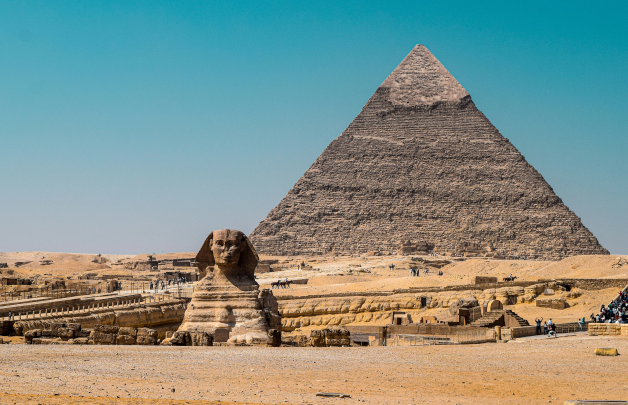
Economic Contribution 

Tourism is one of Egypt’s largest sources of foreign exchange and employment. Prior to the pandemic, the sector accounted for roughly 10–12% of GDP (direct and indirect) and supported millions of jobs across hospitality, transport and services. The sector has shown strong recovery momentum, with visitor numbers and tourism receipts rebounding sharply since 2022.

Tourism receipts have become increasingly important for external balance support, alongside remittances and Suez Canal revenues. Coastal tourism in the Red Sea (e.g. Hurghada, Sharm El-Sheikh and Marsa Alam) continues to dominate arrivals, while cultural tourism in Upper Egypt remains a key draw but with scope for further value capture.

Outlook 

Egypt’s tourism sector presents significant investment potential:

  • Strong recovery trajectory: Visitor arrivals and revenues have rebounded, supporting new hotel and resort demand.
  • Product diversification push: Authorities are promoting eco-tourism, cultural circuits, desert tourism and yacht tourism to increase average spending and length of stay.
  • Large pipeline of hospitality projects: Continued expansion in Red Sea destinations and emerging Mediterranean sites.
  • Infrastructure upgrades: Ongoing airport modernisation and new museum openings (including the Grand Egyptian Museum) are expected to strengthen the tourism offering.
  • Competitive cost structure: Relatively low operating costs compared with peer Mediterranean destinations.

Remaining challenges

Despite strong fundamentals, several constraints persist:

  • Demand volatility: The sector remains sensitive to geopolitical and security perceptions.
  • Seasonality and concentration: Heavy reliance on Red Sea mass tourism limits value diversification.
  • Service quality gaps: Skills, standards and visitor experience remain uneven in some segments.
  • Infrastructure bottlenecks in secondary destinations: Connectivity and local services outside major hubs require upgrading.
  • Environmental pressures: Coastal development and water stress pose long-term sustainability risks.
Image
Egypt tourism