Overview

Lesotho’s agriculture and agro-processing sector is undergoing a steady transformation, driven by diversification efforts, modernization initiatives, and strong national commitments to food security and rural development. While agriculture is no longer the largest contributor to national wealth creation, it remains a strategically important sector and supports a large share of rural livelihoods. Benefiting from abundant water resources, favourable climatic conditions, and adequate rainfall, Lesotho is well positioned to develop a dynamic base of vegetable production, horticulture, cereals and seasonal crops. 

The sector is increasingly shifting towards higher-value agricultural activities and agro-processing, including organic vegetables, horticultural products, cereal processing, and a growing variety of processed food items for local consumption and export markets. New initiatives in sustainable farming, greenhouse production, and improved irrigation systems are helping to reposition Lesotho as an emerging agro-industrial player. Supported by government schemes and targeted incentives through the Lesotho National Development Corporation (LNDC), the country is encouraging investment in modern technologies, climate-smart agriculture, and value-added transformation. 
Economic Contribution 

Agriculture and agro-processing play a vital role in Lesotho’s economic structure, contributing around 5-6% of national GDP and forming the primary source of livelihoods for the majority of rural households, with over 70% of the rural population depending directly or indirectly on farming and livestock for income. Although the sector’s contribution to GDP is modest, its socio-economic relevance is significant, particularly through employment, household food security, and the provision of raw materials for agro-industrial activities. Livestock remains the dominant component of agricultural value added, followed by cereals and horticultural crops, reflecting the importance of ruminant production and grain cultivation in rural areas. 

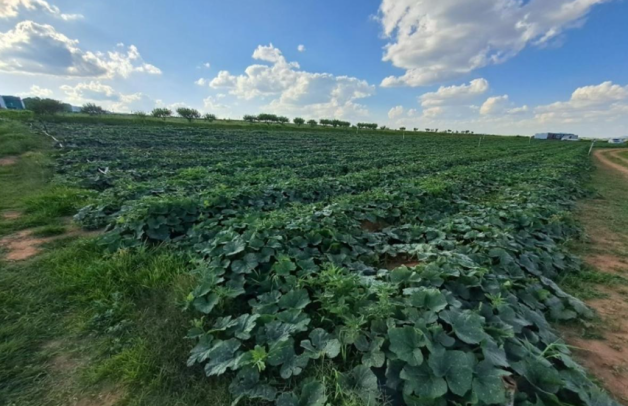
The country’s potential for agro-processing is reinforced by the steady expansion of vegetable and cereal production. In 2023, Lesotho produced over 33,000 tonnes of vegetables, demonstrating growing capacity to supply local processors and reduce reliance on imported foods. Cereals such as maize, wheat, sorghum and oats also present strong opportunities for milling, flour production, animal feed manufacturing and value-added grain products. These activities strengthen domestic value chains, stimulate job creation in processing, packaging and logistics, and help the country reduce its structural food import dependence. With competitive labour costs and increased private-sector interest, agro-processing is emerging as a strategic driver of industrial diversification and rural economic development. 

Outlook 

Lesotho is well positioned to accelerate the modernisation and growth of its agriculture and agro-processing sector. Current government priorities, as reflected in national agricultural development policies, emphasise commercialisation, diversification of crops, improved food self-sufficiency, and expanded local transformation. These priorities aim to strengthen value chains, increase productivity, and enhance resilience to climate change. 

Strategic opportunities include high-value vegetable and horticulture production, organic farming, cereal processing (milling, value-added grain products, animal feed), packaging, cold-chain development, and agro-processing for regional markets within the Southern African Development Community (SADC). Supported by a favourable incentive framework, reliable water resources, a motivated rural workforce and an improving enabling environment, Lesotho offers a competitive platform for investors seeking to develop sustainable, value-added agro-industrial operations for both domestic and export markets.

Image
Lesotho Ministry of Agriculture image