Overview

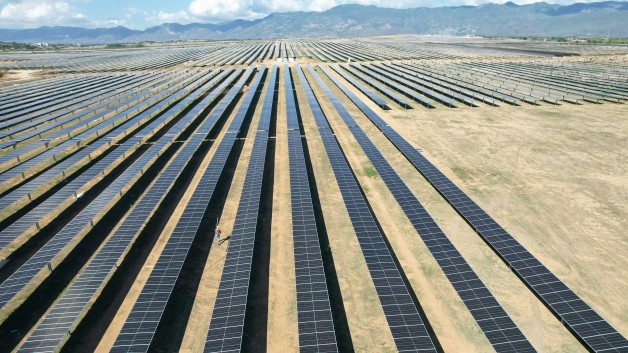
Morocco’s energy sector is undergoing a structural transformation driven by energy security objectives, decarbonization commitments, and large-scale deployment of renewable energy. The country is a regional leader in solar and wind energy and has articulated a clear strategy to position itself as a future hub for green hydrogen and clean energy exports. 

Renewable energy development is supported by a robust regulatory framework, large-scale flagship projects, and strong institutional capacity. The sector increasingly integrates storage technologies, grid reinforcement, and industrial decarbonization solutions to support Morocco’s growing industrial base. 
 

Image
Solar farm

Economic Contribution

The energy sector plays a critical enabling role in Morocco’s economy by supporting industrial competitiveness, infrastructure development, and climate commitments. Renewables account for more than 40% of installed electricity capacity, reducing dependence on energy imports and improving long-term energy resilience. 

Large renewable projects generate investment, employment, and technology transfer, while supporting downstream sectors such as manufacturing, transport, and logistics. The emerging green hydrogen value chain further strengthens Morocco’s positioning in future global energy markets. 


Outlook

Morocco is well positioned to accelerate renewable energy expansion and green hydrogen development. Strategic priorities include scaling up solar and wind capacity, developing hydrogen and derivative industries, expanding energy storage, and upgrading transmission infrastructure. 

Investment opportunities lie in utility-scale renewables, green hydrogen projects, energy storage, grid infrastructure, and industrial decarbonization solutions. Supported by long-term demand and strong policy commitment, Morocco offers a competitive environment for sustainable energy investments.