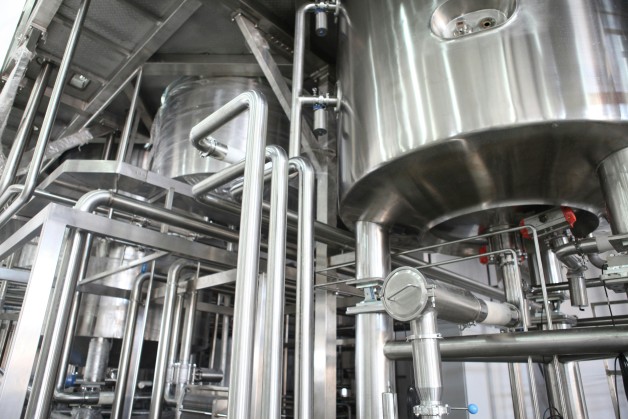
The outlook for Nigeria’s food processing sector is positive, supported by population growth, regional trade integration, and investment in logistics and industrial parks. The government’s Special Agro-Industrial Processing Zones (SAPZs) are expected to attract new investors and improve access to energy, storage, and transport infrastructure. Rising consumer demand for processed and packaged foods, beverages, and dairy products is creating opportunities for scale and modernisation. Export growth will depend on improvements in quality standards, certification, and trade facilitation, particularly under the African Continental Free Trade Area (AfCFTA) framework.
Nigeria’s food and beverage sector continues to face a number of constraints that affect productivity, competitiveness and export readiness. High operating costs, particularly for energy, transport and imported packaging materials, weigh on margins, while unreliable power supply increases dependence on diesel generation and raises production costs. Limited access to finance remains a challenge for small and medium-sized processors, constraining investment in equipment, technology and working capital. Post-harvest losses remain significant due to inadequate storage and cold-chain infrastructure, while weak linkages between farmers and processors affect the quality, consistency and availability of raw materials. Foreign exchange volatility further increases the cost of imported inputs and machinery. In addition, gaps in regulatory compliance, quality standards and certification continue to limit the sector’s ability to compete in export markets.
At the same time, the sector offers important opportunities for investment and upgrading. The expansion of agro-industrial zones could help cluster processors, improve access to shared services and reduce logistics costs. Investment in cold-chain logistics, storage and processing facilities would support higher-value activity in perishable products such as fruits, vegetables and dairy, while also helping to reduce food losses. There is growing potential to expand value-added food exports, including cocoa, sesame, cassava, palm oil and beverages, particularly as regional trade opportunities deepen under the African Continental Free Trade Area. Import substitution also creates opportunities in products such as edible oils, sugar, flour and packaged snacks. Digital and mobile platforms can strengthen linkages between farmers, processors and markets, improving supply-chain efficiency and traceability. The adoption of renewable energy solutions could reduce dependence on diesel and lower production costs, while public-private partnerships can support improvements in quality standards, certification and export readiness.