Overview

Transport and logistics are central to Egypt’s ambition to position itself as a regional trade and industrial hub linking Africa, Europe and Asia. The sector is anchored by the Suez Canal, one of the world’s most strategic maritime corridors, and is supported by an extensive programme of public investment in ports, railways, roads and dry ports.

The government is pursuing a multimodal logistics strategy focused on improving trade facilitation, reducing congestion and strengthening connectivity between industrial zones, ports and inland markets. The General Authority for the Suez Canal Economic Zone (SCZone) plays a key role in developing integrated industrial and logistics clusters around major ports.
Economic contribution

The transport and storage sector is a significant contributor to Egypt’s GDP and employment, supported by sustained public infrastructure spending. Suez Canal revenues alone represent a major and stable source of foreign exchange for the country.

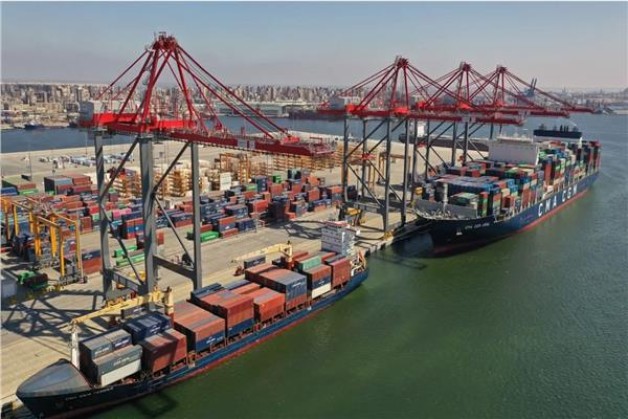
Recent years have seen accelerated investment in port modernisation and container capacity; national rail upgrades and high-speed rail projects; expansion of the road network and logistics corridors; and development of dry ports and logistics zones. Private participation is increasing, particularly through PPPs in ports, logistics services and inland freight facilities.

Outlook

The sector offers substantial investment opportunities:

  • Strategic geographic advantage: Egypt’s location and the Suez Canal underpin long-term logistics demand.
  • Large infrastructure pipeline: Ongoing megaprojects in rail (including high-speed lines), ports and dry ports.
  • SCZone expansion: Integrated industrial-logistics clusters are attracting foreign manufacturers and logistics providers.
  • Trade growth potential: Rising regional trade and AfCFTA implementation could boost transit and logistics services.
  • PPP framework: Increasing openness to private participation in ports, terminals and logistics platforms.

Key constraints to sector performance include:

  • Operational efficiency gaps: Port dwell times and customs processes remain areas for improvement.
  • Fragmented logistics ecosystem: Coordination across agencies and modes can be strengthened.
  • Infrastructure quality disparities: While flagship corridors are improving, secondary networks lag behind.
  • Regulatory and administrative complexity: Investors may face permitting and procedural hurdles.
  • Exposure to global trade cycles: Canal revenues and logistics demand are sensitive to external shocks.
Image
Egypt logistics