Zambia’s energy sector is anchored on hydro-electricity, with supplementary contributions from coal, heavy fuel oil, solar-PV, biomass and imported petroleum. The sector operates through three main subsectors: Electricity, Renewable Energy and Petroleum. Installed national capacity stands at approximately 3,790 MW, of which about 84% is generated from hydropower, making the country highly dependent on water availability and vulnerable to rainfall variability. Electricity demand has been rising at an estimated 3% per year, driven by growth in mining, agriculture and manufacturing, alongside increased access through rural electrification initiatives. However, access remains uneven, with significantly higher coverage in urban areas compared to rural communities. To improve supply reliability and diversify the energy mix, government has implemented reforms such as the Renewable Energy Feed-In Tariff (REFiT) Strategy, enabling greater private-sector participation in solar, wind and bioenergy projects. New solar facilities and hydropower expansions continue to strengthen generation capacity. While Zambia is largely self-sufficient in hydropower, coal and biomass, it imports all petroleum products to meet transport and industrial fuel requirements. The sector is therefore evolving from hydropower dominance toward a more balanced energy mix, positioning renewable energy investments as a key growth area.
Overview
Economic Contribution
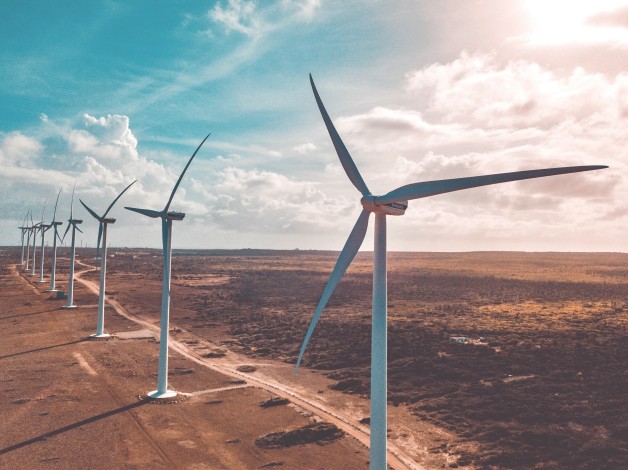
The energy sector plays an increasingly vital role in Zambia’s economy, supporting industrial activity and household access through expanded electricity generation capacity, which now stands at approximately 3,790 MW. Electricity access has also improved, reaching about 51% of the population in 2023, contributing to improved livelihoods and industrial expansion beyond major urban centres. The introduction of reforms such as the Renewable Energy Feed-In Tariff Strategy has attracted private investment into solar, bioenergy and other renewable projects, helping diversify the energy mix and reduce dependency on hydropower. While the sector’s direct contribution to GDP remains modest, its impact is significant through its support to mining, agriculture, manufacturing and other productive sectors, enabling economic growth, job creation and increased investment activity in the wider economy.
Outlook
Zambia’s energy sector shows strong medium to long-term growth potential, supported by rising demand and efforts to diversify the energy mix. Significant opportunities exist in expanding untapped hydropower capacity, scaling solar-PV, bioenergy and small hydro projects, and increasing thermal generation for baseload supply. Low rural electrification also presents scope for off-grid and mini-grid solutions. As mining, agriculture and manufacturing continue to expand, demand for reliable energy will increase. Prioritising diversified and climate-resilient systems will reduce hydropower-related risks, positioning Zambia to meet domestic demand, support industrialisation and strengthen its role as a regional energy supplier.