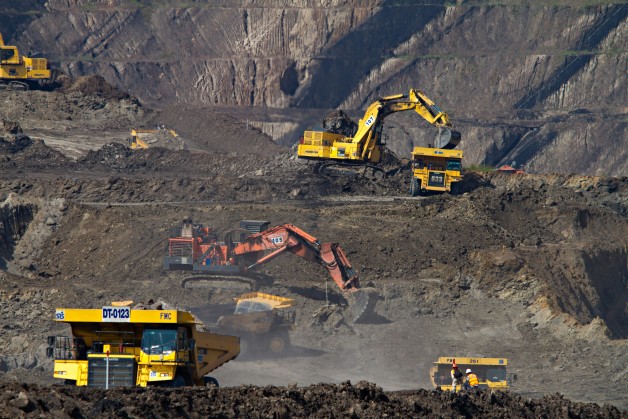
Mining remains the backbone of Zambia’s economy and one of its most strategic sectors for export earnings, industrial development and foreign investment. Zambia is among the world’s leading producers of copper, currently ranked as the ninth largest globally, with output estimated at about 800,000 metric tonnes annually and holding approximately 6% of global known copper reserves. The sector is anchored by long-established operations in the Copperbelt Province, complemented by increasing exploration and production in the North-Western Province. Beyond copper and cobalt, Zambia is richly endowed with a wide spectrum of mineral resources, including gold, manganese, nickel, uranium, coal, iron ore, limestone and gypsum, as well as high-value gemstones such as emeralds, topaz, amethyst and aquamarine. Notably, Zambia produces more than 20% of the world’s emeralds and remains under-exploited in gemstone processing.
Overview
Economic Contribution
Mining is the second-largest contributor to Zambia’s economy, accounting for 13.7 percent of GDP in 2023, up from 12.9% in 2022, and contributing 15.6% of total output in the first quarter of 2024. The sector remains the dominant source of foreign exchange and fiscal revenue, accounting for approximately 70% of export earnings and around 30% of government revenue. Copper and cobalt continue to make up the bulk of export receipts, supporting fiscal stability and investment inflows. The sector has historically contributed between 11% and 19% of GDP, with the peak of 19% recorded in 2021. Although the mining subsector contracted by 5.9% in 2023, it rebounded strongly with 9.6% growth in the first quarter of 2024, reflecting improved output performance and sustained market demand. This strong linkage to employment, trade and fiscal earnings solidifies mining as Zambia’s most significant economic pillar.
Outlook
Zambia’s medium- to long-term mining outlook remains highly favourable, driven by strong government commitment to expansion, increasing exploration activities and rising global demand for critical minerals. Government’s target to increase annual copper production from the current 800,000 metric tonnes to 3 million metric tonnes by 2032, as outlined in the Eighth National Development Plan, presents substantial investment prospects in exploration, mine expansion and processing facilities. The discovery and development of new deposits, particularly nickel, manganese, lithium and rare-earth minerals, positions Zambia as a key future supplier in the global clean-energy transition. Furthermore, opportunities exist in gemstone beneficiation, industrial mineral processing, mining equipment supply, geological surveying and mining-related technology services. With nearly 50% of the country still undergoing geological mapping, vast exploration areas remain untapped.