Tourism is one of Zambia’s priority economic sectors due to its potential to stimulate growth, attract foreign exchange and expand employment. The country is geographically central within Southern Africa and benefits from strong natural endowments, notably the Victoria Falls, diverse wildlife ecosystems, national parks and cultural heritage assets. Zambia has over 22.4 million hectares of protected land, covering 20 national parks and 36 Game Management Areas, making it a premier destination for nature-based tourism. Government efforts to liberalize and open the sector for private investment have resulted in growing infrastructure development, an expanded tourism product base and improved service delivery. Tourism offerings now span wildlife safaris, adventure travel (including bungee jumping and white-water rafting), cultural tours and community-based experiences. Improved connectivity through liberalised air travel and partnerships with regional and international airlines has further enhanced accessibility. Policy direction remains well-defined through the Tourism Master Plan (2018-2038), which sets a long-term framework for improving tourism amenities, enhancing attractions and positioning Zambia as a leading regional destination.
Overview
Economic Contribution
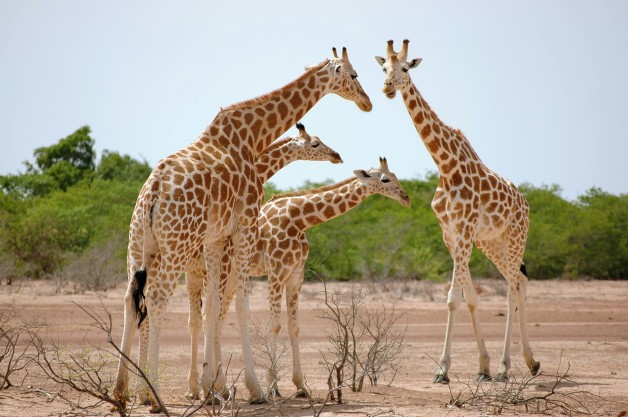
Tourism continues to play a significant role in Zambia’s economy through foreign exchange earnings, employment creation and contribution to GDP. The sector accounted for 9.9 percent of GDP in 2022, reflecting its strong recovery trajectory following pandemic-related declines. International tourist arrivals increased by 91.4 percent in 2022, rising from 554,200 in 2021, supported by improved mobility, policy reforms and sector reopening. Growth has been driven by increased private-sector participation, expansion in accommodation investments, improved destination marketing and airline access. Tourism has stimulated ancillary services such as hospitality, retail, transportation and entertainment creating employment opportunities across both formal and informal segments. Government has further integrated tourism into national priorities under the 8th National Development Plan, recognising its potential for diversification and export earnings.
Outlook
Zambia’s tourism sector is expected to maintain a strong growth trajectory, supported by infrastructure development and private-sector participation. Based on current recovery trends, international tourist arrivals are projected to grow by 5-7% annually, allowing the country to return to or exceed its pre-pandemic peak of around 1.3 million arrivals by the early 2030s. Correspondingly, tourism’s contribution to GDP could rise to 11-13% by 2030, supported by higher-spending eco-tourism, safari and cultural travel segments. Over the same horizon, sector earnings could increase by 50-70%, driven by product diversification and expanded air access. With sustained investment, Zambia is positioned to strengthen its competitiveness and expand tourism’s role in employment creation and foreign-exchange generation.